Architecture in Boulogne-Billancourt: from the 1930s to the contemporary city
Architecture in Boulogne-Billancourt: from the 1930s to the contemporary city
A city shaped by architectural innovation
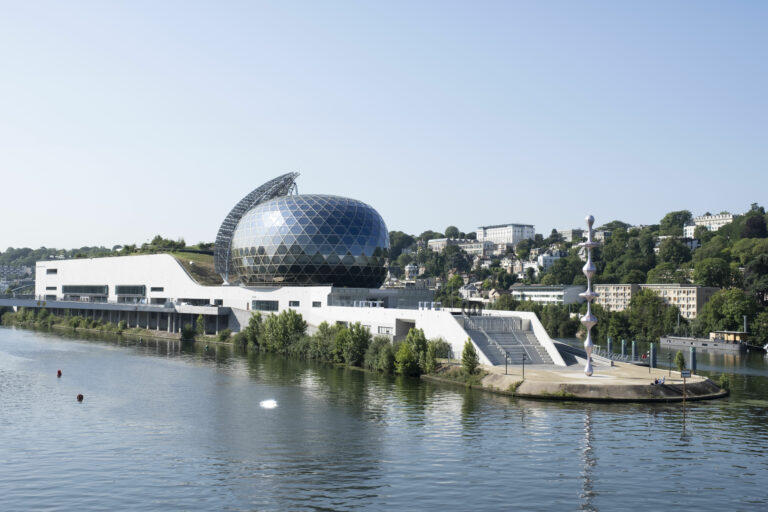
Boulogne-Billancourt is a must-see destination for architecture enthusiasts.
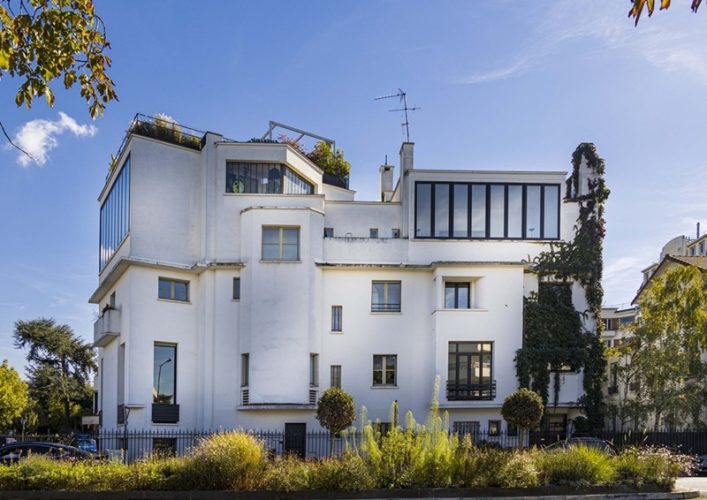
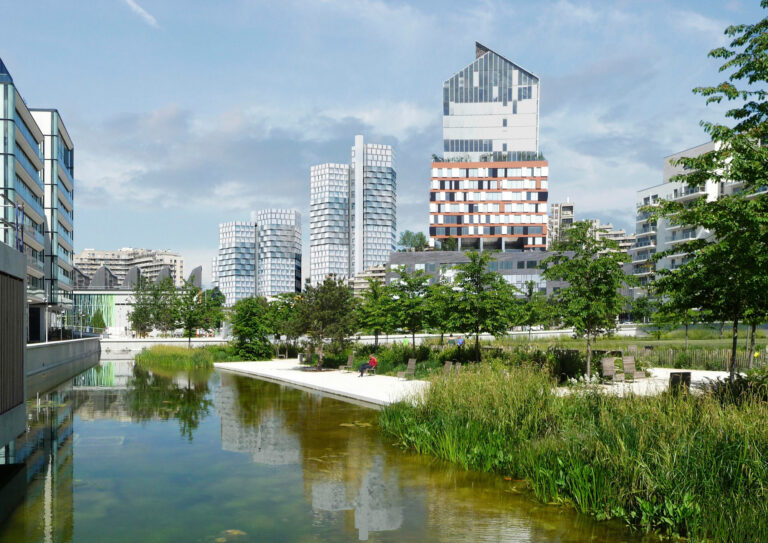
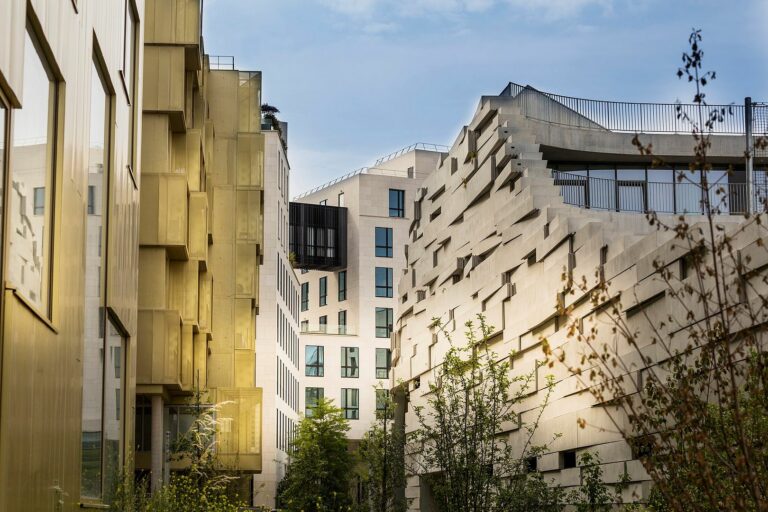
Just a few minutes from Paris, the city offers a unique panorama where 1930s villas, modernist buildings and contemporary creations coexist.
Formerly an industrial area marked by the presence of Renault factories, Boulogne-Billancourt has transformed over time into a true architectural laboratory.
👉 Today, she embodies an ongoing dialogue between heritage and contemporary creation.
The 1930s: an architectural golden age in Boulogne-Billancourt
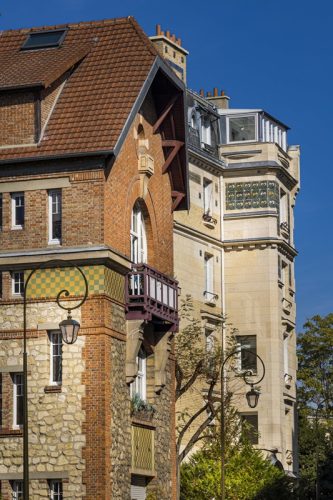
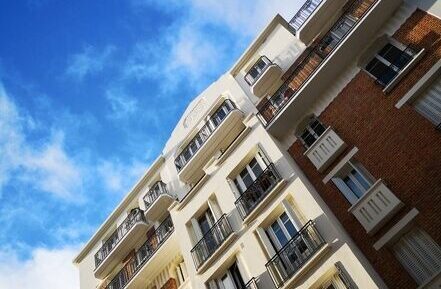
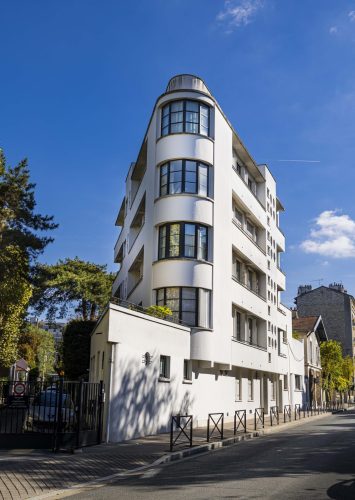
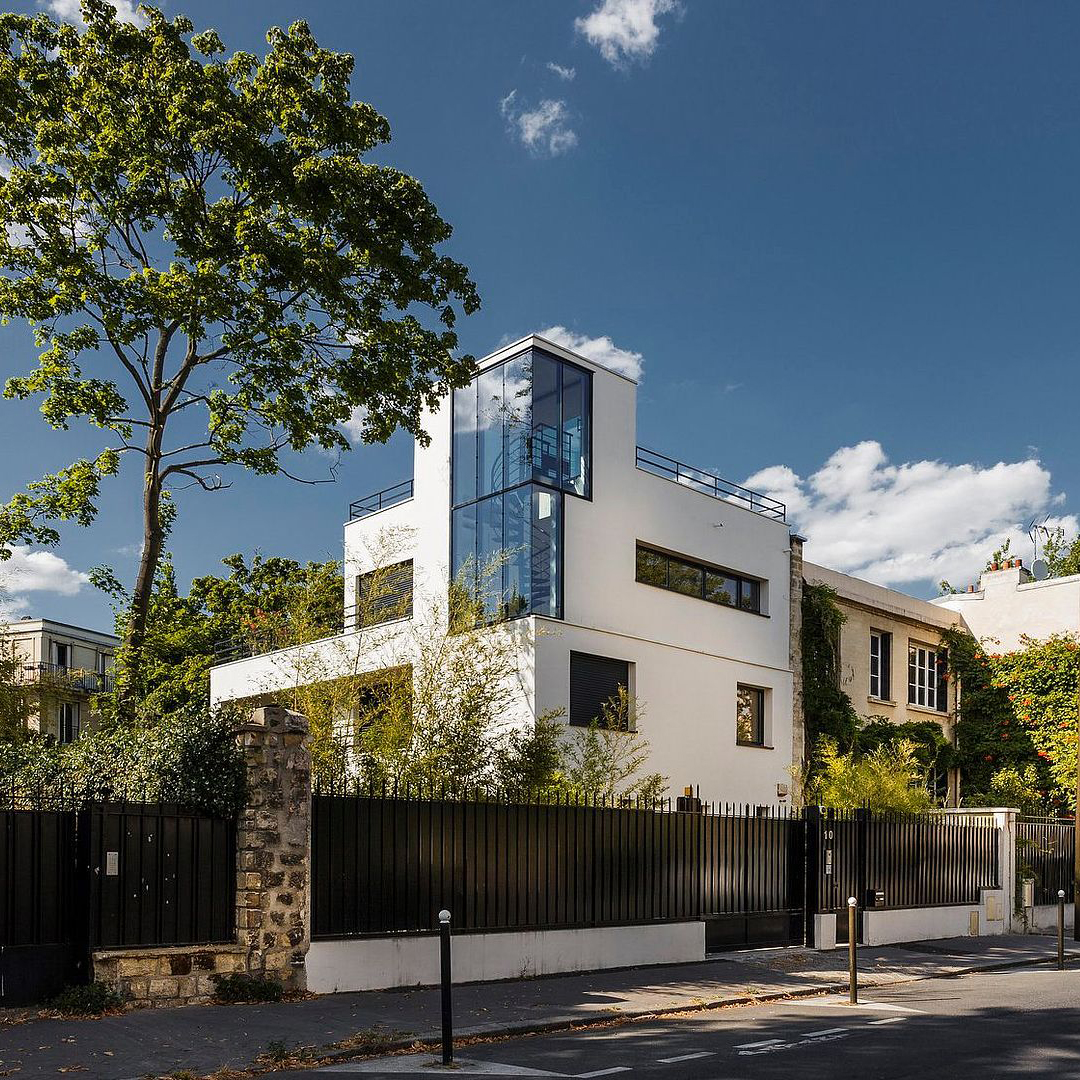
Example of architectural diversity
The interwar period was a time of intense creativity. Boulogne-Billancourt then became an international reference in terms of architecture.
In the Princes district in particular, numerous villas and artists' studios sprang up, designed by major figures such as Le Corbusier, Robert Mallet-Stevens or Auguste Perret.
👉 Several styles coexist:
Art Deco : elegant and decorative lines
Modern Movement : clean and functional shapes
Neoclassicism and regionalism
These buildings bear witness to an era when innovation and aesthetics went hand in hand.
Iconic buildings to discover
Several places allow us to understand this architectural richness:
👉 A complete experience to understand the evolution of the city.
To sum up: Why discover architecture in Boulogne-Billancourt?
✔ A unique architectural diversity ✔ A strong link between history and modernity ✔ An original visit near Paris ✔ An ideal destination for culture lovers
From Art Deco to contemporary architecture, Boulogne-Billancourt offers a true journey through time. An original and enriching way to discover the city, between heritage and innovation.